P-03 of P-05
PW-IA Inverter Adapter
NYC PilotPopwheels · clean cart power
A battery inverter-adapter that turns Popwheels swappable batteries into silent, emissions-free power for NYC street-food carts, piloted by the city in place of gas generators.
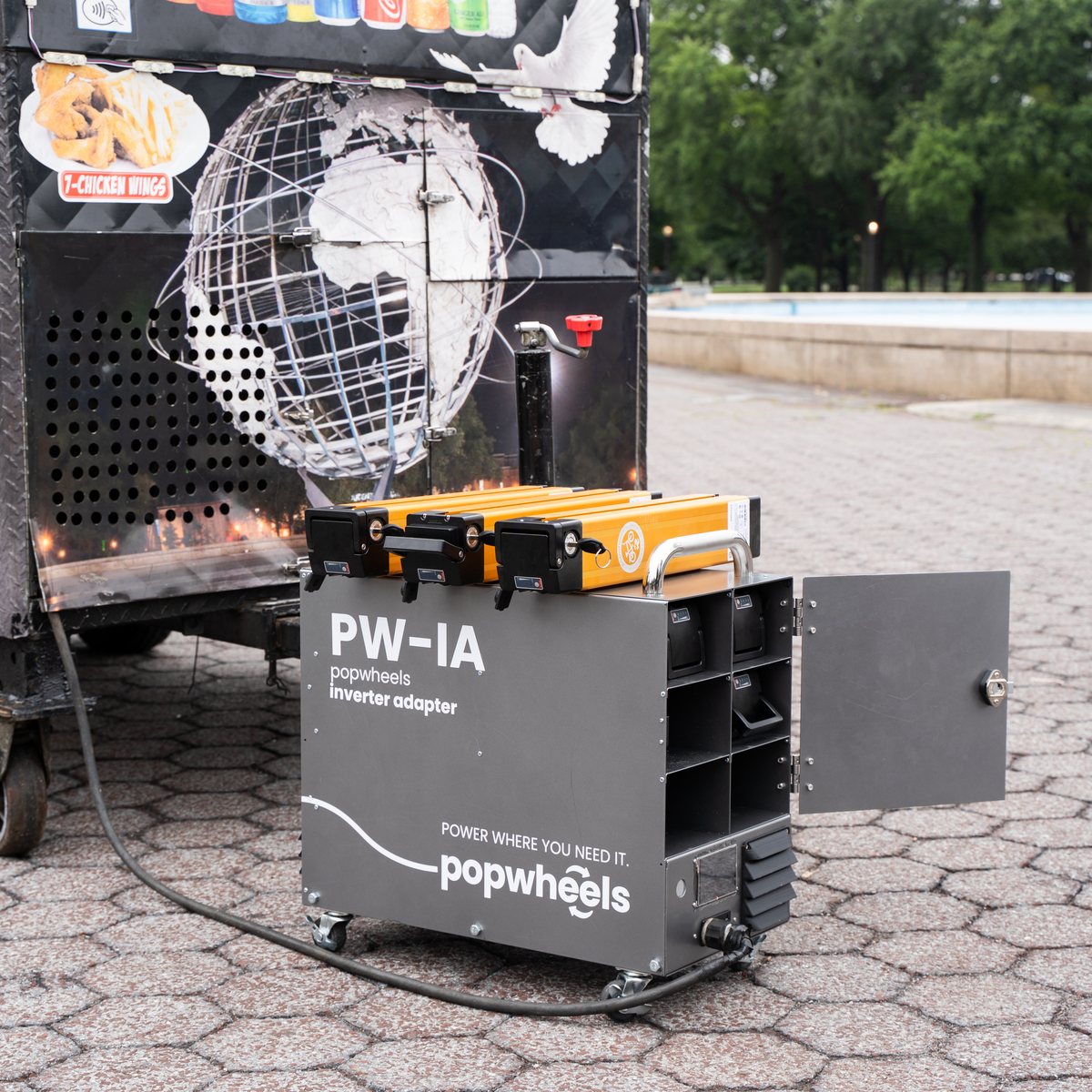
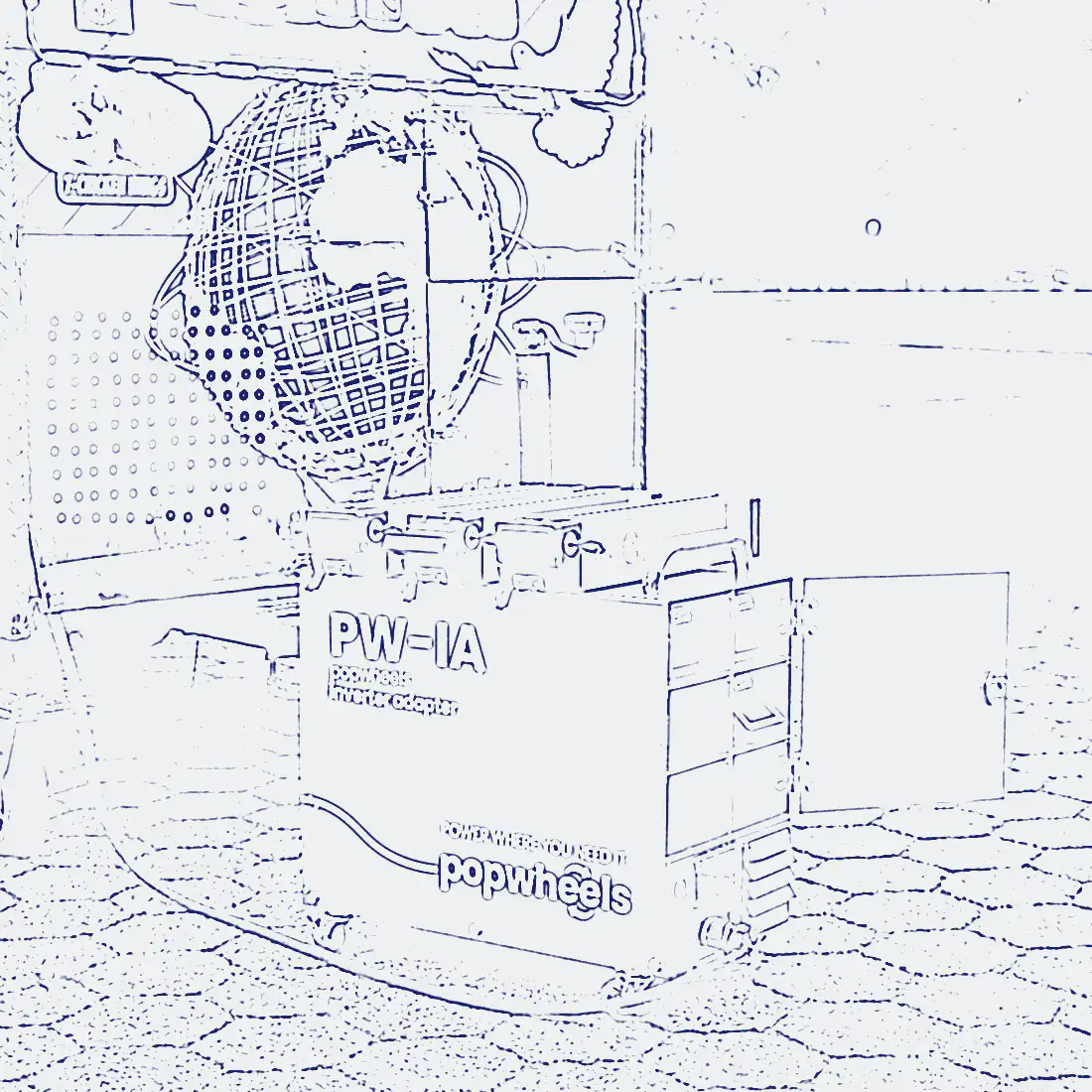
Section A-A, The product
Silent power for street-food carts
The PW-IA (Power-Based Inverter Adapter) turns Popwheels swappable batteries into clean, silent AC power for New York City street-food carts, replacing the gas generators vendors normally run all day.


Section B-B, Why it exists
Replacing the gas generator
Thousands of NYC food carts run on loud, fume-producing gasoline generators. The city wanted a quiet, emissions-free alternative a vendor could swap in as easily as a fresh battery, without changing how they work.
Section C-C, Engineering
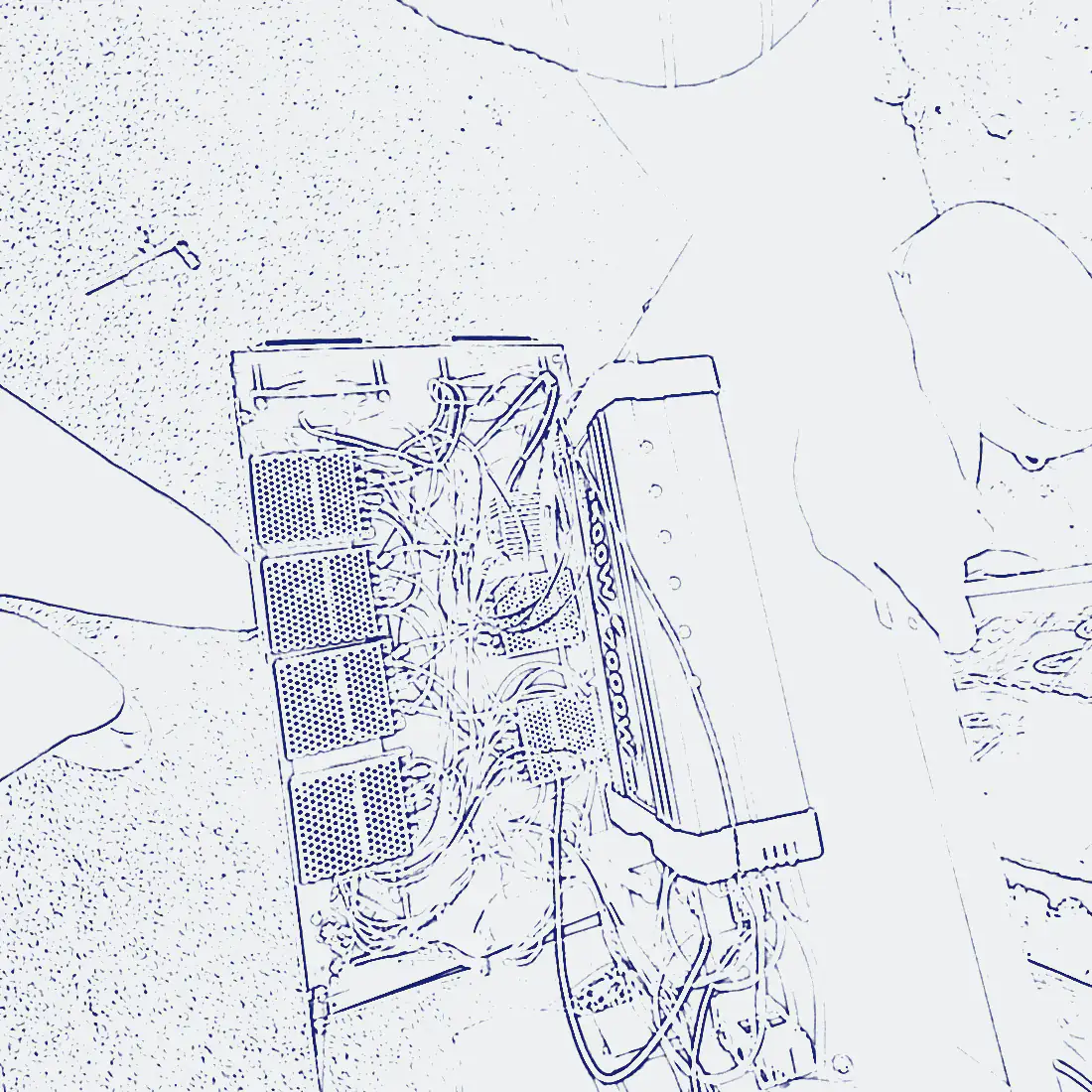
Three generations of hardware
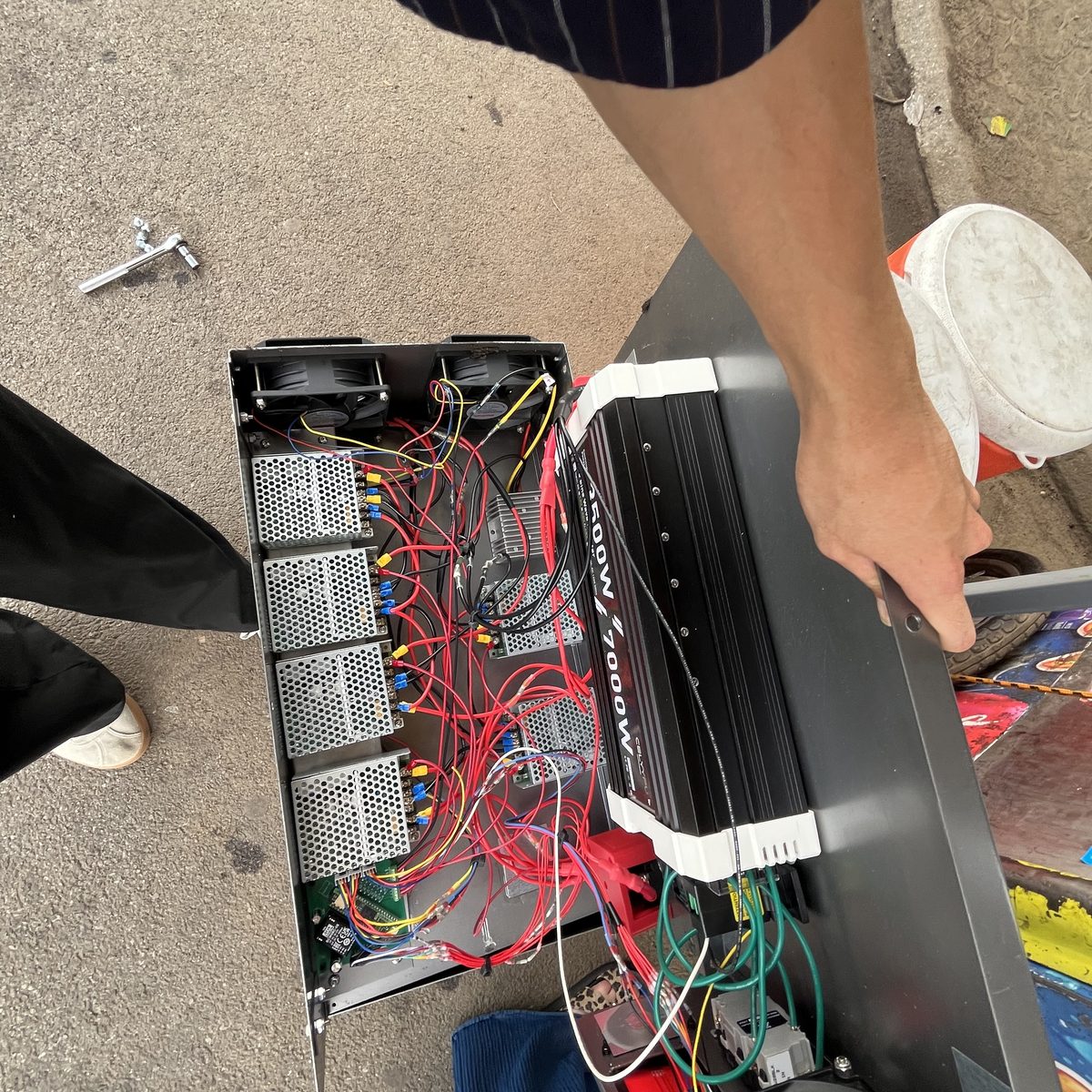
I led the multidisciplinary hardware engineering across three product generations of the PW-IA, integrating the inverter, battery interface, wiring, and thermal management into one serviceable unit.
Section D-D, Fabrication
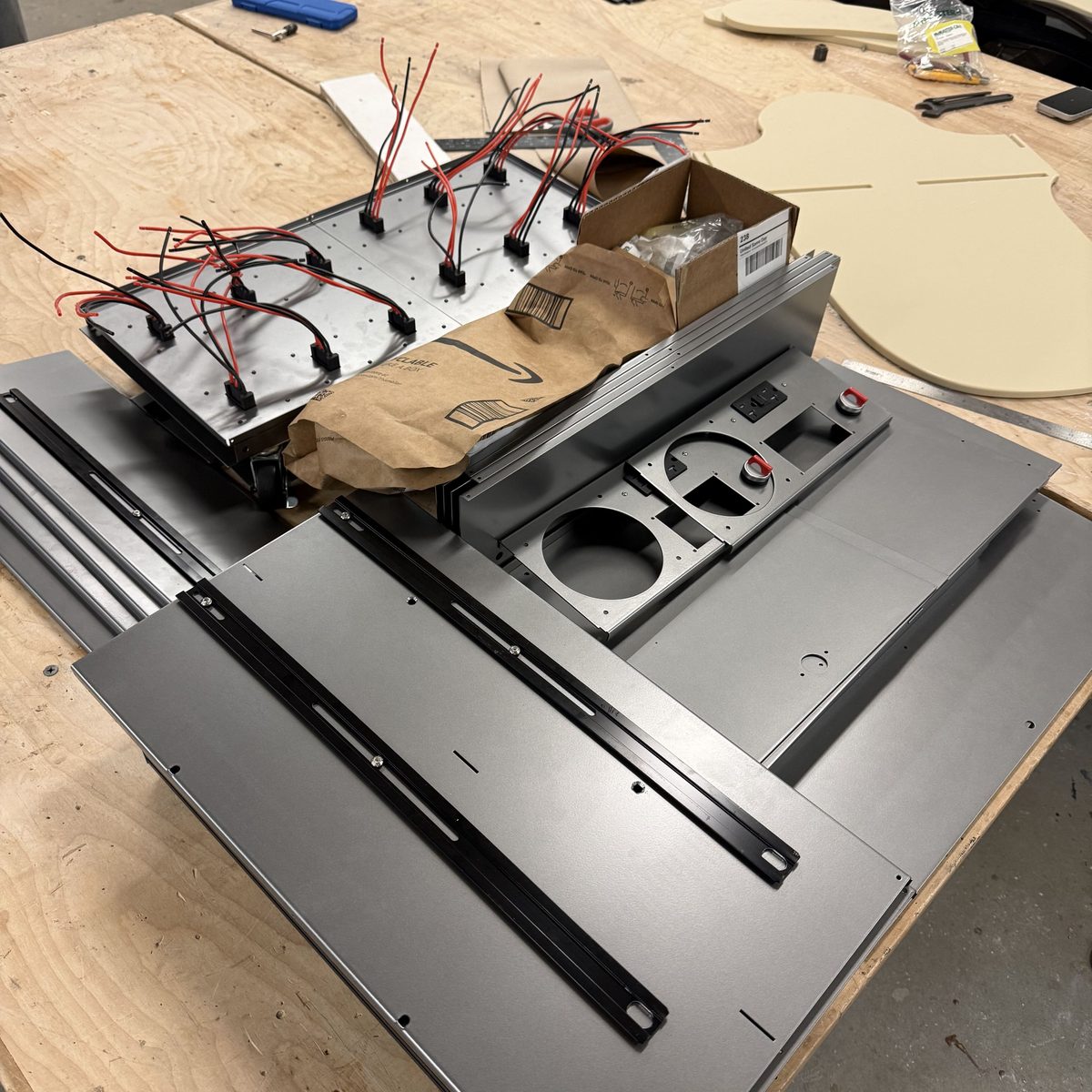
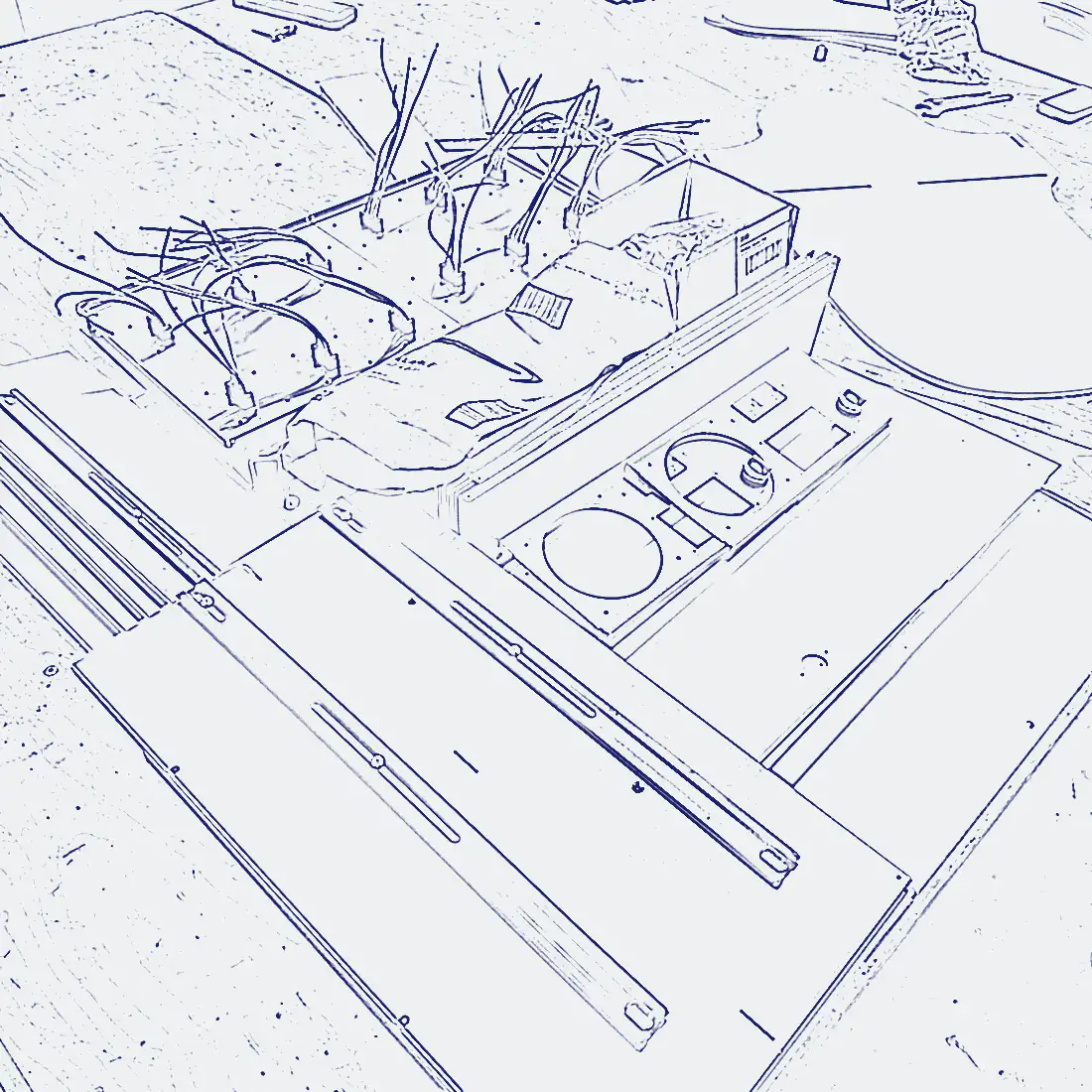
Enclosure and integration
The system is built into a custom sheet-metal enclosure with an internal wiring harness, cooling, and the battery-adapter interface, designed to survive daily outdoor cart use and quick hand-swapping.
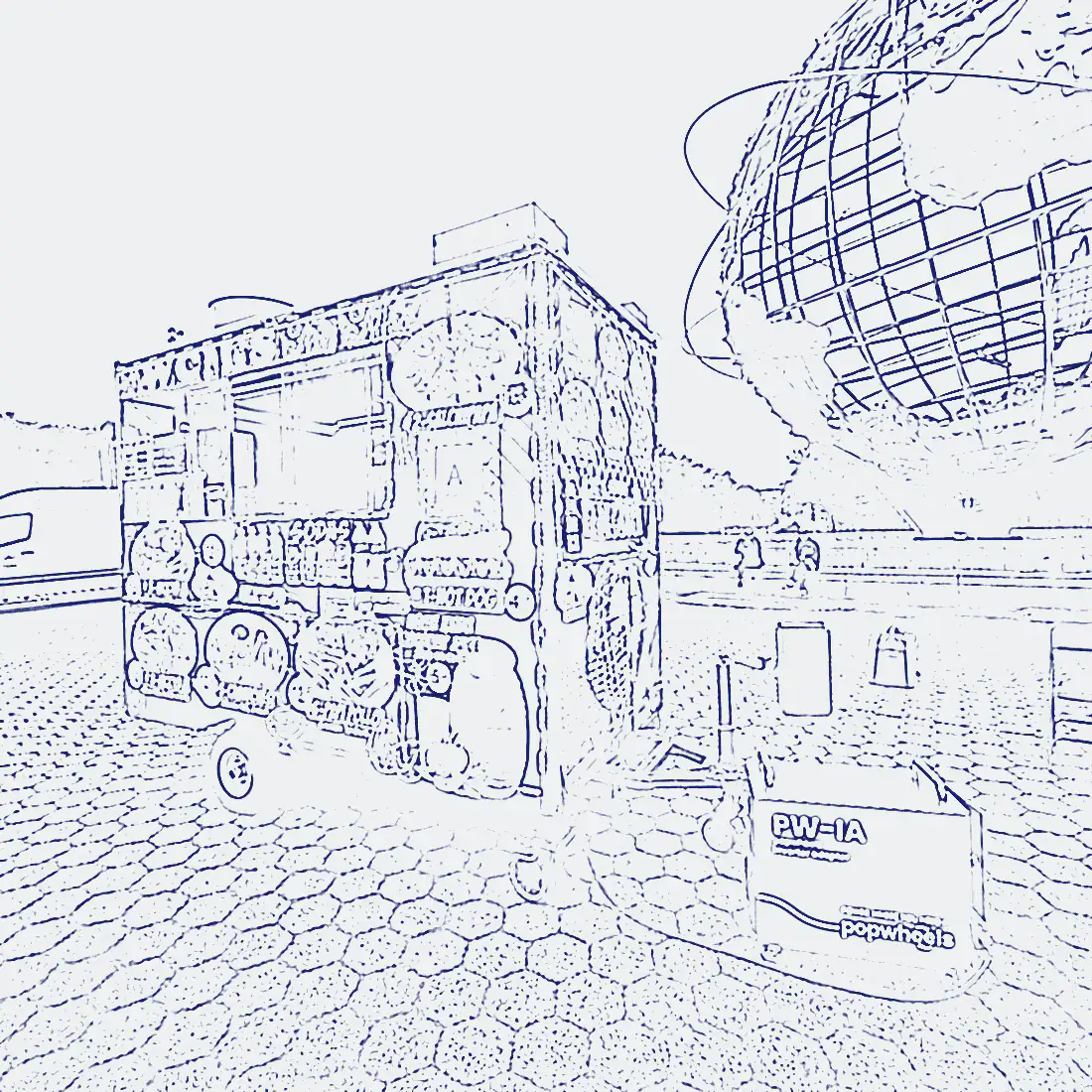
Section E-E, In the field
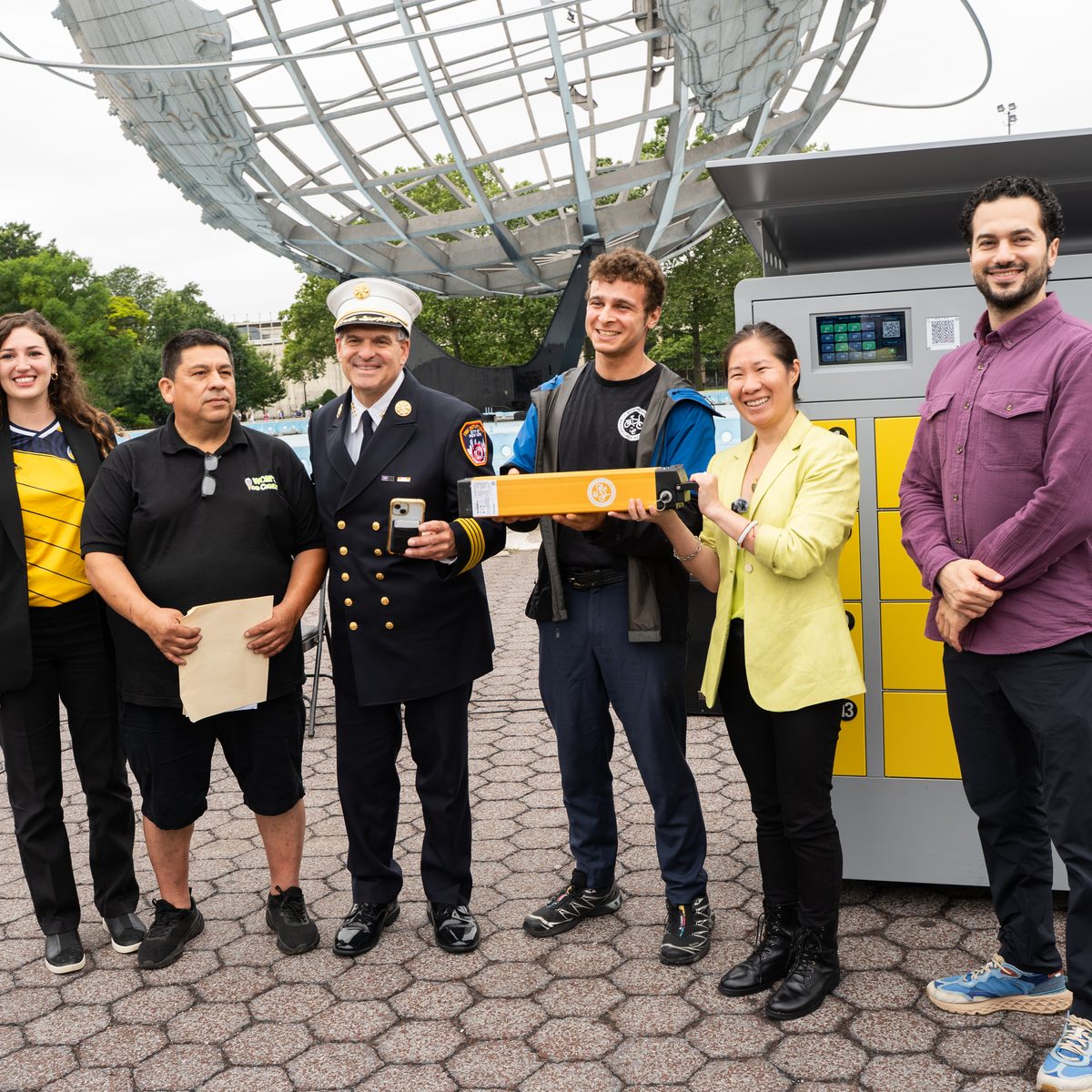
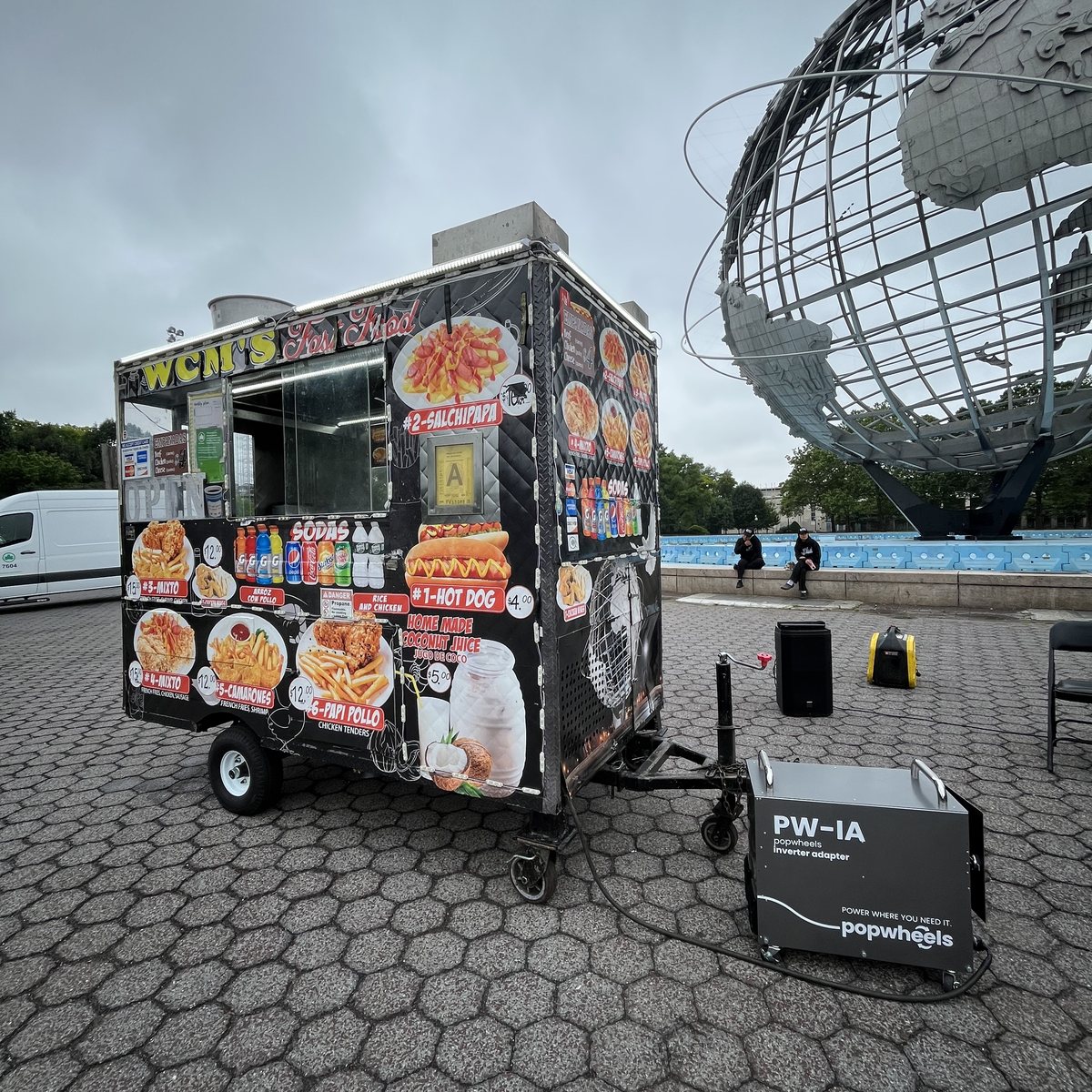
Deployed in Flushing Meadows
The PW-IA was deployed on working vendor carts at Flushing Meadows Corona Park, powering a full day of service from swappable batteries instead of a generator.